

Imagine stepping outside and feeling like you’ve walked into an oven. Now imagine that feeling lasting not just for a day, but for weeks. That’s the reality for millions of people in India right now. In late April 2026, all fifty of the world’s hottest cities were in India. By May, that number had jumped to ninety-seven out of the top 100. Balangir in Odisha recorded a staggering 48 degrees Celsius. The crisis isn’t confined to India. In the recent 2026 European heatwave, more than 150 million people across Europe have been affected, and over 1,300 heat-related excess deaths were reported by the end of June, according to the World Meteorological Organization. Together, these numbers show that extreme heat is becoming a defining global climate risk and not just a seasonal inconvenience.
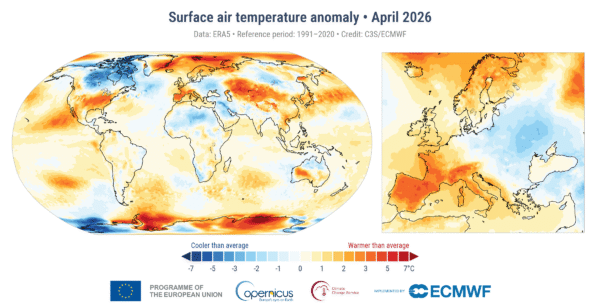
This is not just about feeling uncomfortable anymore. It’s about survival. And it’s telling us something urgent: sustainability is no longer a choice, but a necessity.
The good news? The world is waking up to this reality. From record-breaking solar power to traditional wisdom that kept our ancestors cool, we have the tools to fight back. But we need to use them smarter, faster, and together.
The Heat is Real: What the Numbers Tell Us
Record-Breaking Heatwaves and Rising Electricity Demand
The numbers are hard to ignore. India’s peak power demand hit a record-shattering 270.82 gigawatts on May 21, 2026; the fourth consecutive day of a new national record. For context, that’s more than France’s entire peak power demand just seven years ago.
But here’s the catch: while solar power is saving us during the day it disappears after sunset. And that’s exactly when people turn on their Air Conditioners (ACs) to escape the heat that lingers well into the night.
How Climate Change Is Intensifying Heatwaves in India
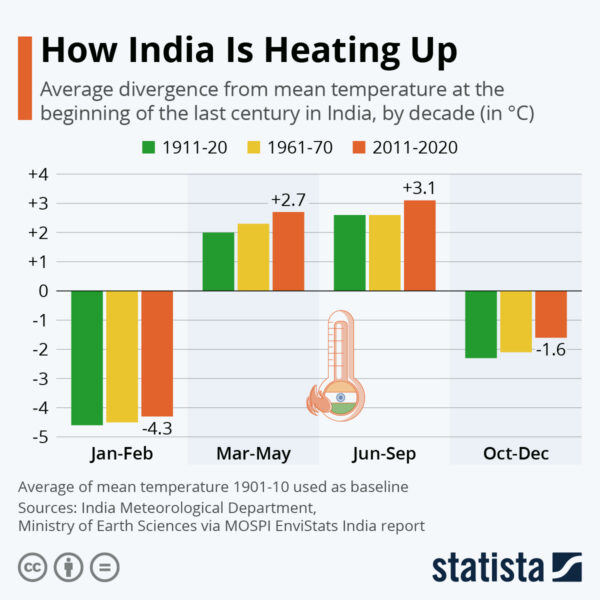
Climate change is making heatwaves not only hotter, but also more frequent. A “super-rapid” study by World Weather Attribution found that human-caused climate change made this year’s prolonged pre-monsoon heatwave approximately three times more likely to occur. The researchers also estimated that the same event would have been about 1°C cooler in a pre-industrial climate. As a result, what was once considered a rare event is now expected to occur roughly once every five years under today’s climate, highlighting how rapidly extreme heat is becoming the new normal.
Why Hot Nights Are Becoming a Growing Health Risk
The Rising Threat of Nighttime Heat
We often talk about daytime temperatures, but nights are becoming just as dangerous. Globally, surface temperatures have risen by roughly 0.21°C per decade since 2010, with nighttime temperatures increasing across much of India. In Delhi, nighttime temperatures have climbed sharply, and the problem is national: thirty-five out of thirty-six states and union territories are getting hotter at night.
Why does this matter? Because our bodies need cool nights to recover from daytime heat. When nights stay warm, sleep is disturbed, health suffers, and the risk of heat stroke rises. For those without air conditioning – which is 90% of Indian households, this is a crisis.
The Energy Squeeze: More Heat, More Coal
The Irony of Cooling
Here’s the cruel irony: as we try to cool ourselves, we’re unknowingly amplifying the problem. Air conditioners, especially older ones, not only consume massive amounts of electricity but also pump waste heat into already hot cities. This creates a vicious cycle: more heat → more AC use → more electricity demand → more fossil fuel burning → more warming.
To meet record electricity demand during heatwaves, India continues to rely on a diverse energy mix in which coal remains the largest source of electricity generation. At the same time, RE capacity continues to expand, highlighting the importance of balancing immediate energy needs with long-term energy transition goals.
Sustainable Solutions to India’s Heatwave Crisis
Building Climate Resilience Beyond Green Solutions
Sustainability is no longer just about saving the planet for future generations. It’s about saving ourselves right now. Here’s what that looks like in practice:
1. Rethinking Our Cities
India’s cities are heat traps. Concrete, asphalt, and glass absorb heat all day and release it slowly at night. The urban heat island effect makes cities 2°C to 10°C hotter than surrounding rural areas.
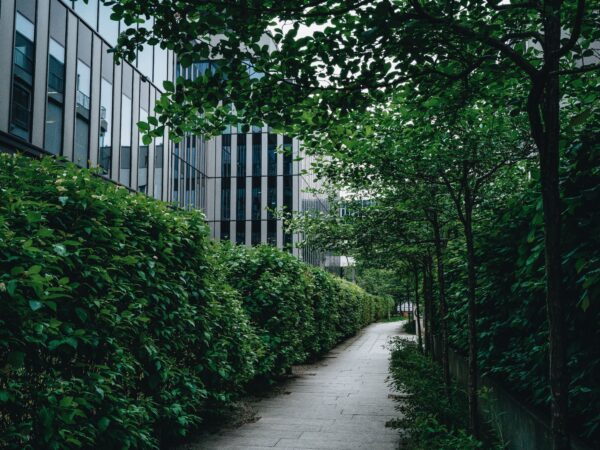
Many Indian cities are already incorporating green infrastructure, cool roofs, and climate-resilient urban planning into their development strategies. As temperatures continue to rise, scaling up these measures and integrating them more consistently into city planning will be critical to reducing urban heat island effects. We need to bring back nature into our cities. Shaded streets, green roofs, reflective pavements, and parks aren’t just nice-to-have. They’re essential.
2. Modernizing Our Grid
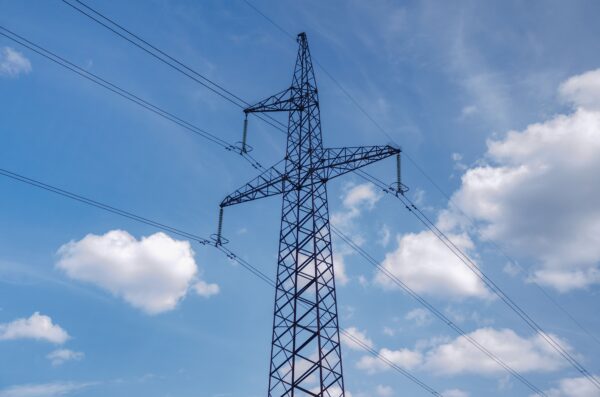
India’s electricity system performed remarkably well despite the record demand, but margins are thin. As electricity demand continues to grow during heatwaves, the next challenge will be accelerating energy storage, improving grid flexibility, and ensuring reliable power during peak demand periods. Coal and solar can’t do it alone. There is a need for more battery storage to save daytime solar for nighttime use, more efficient appliances, and smarter grids that can manage peak loads.
3. Protecting Vulnerable Communities
Heat does not affect everyone equally. While many can seek refuge in air-conditioned spaces, outdoor workers, the elderly, children, and low-income communities face far greater risks. India has made significant progress by expanding Heat Action Plans, strengthening early warning systems, and improving public awareness in heat-prone regions. However, these efforts can be further strengthened. As heatwaves become more frequent and intense, the effectiveness of these measures will depend on consistent implementation, stronger inter-agency coordination, and regular updates based on local climate risks and vulnerability assessments. Expanding access to cooling centres, strengthening workplace heat safety, and prioritizing the protection of outdoor workers, vulnerable communities, and critical infrastructure can further reduce heat-related illnesses and deaths.
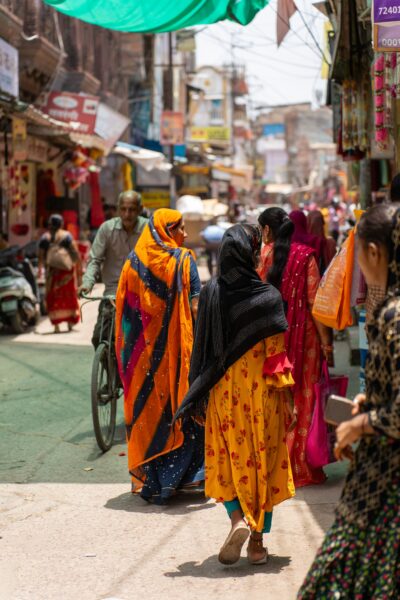
4. Traditional Cooling Practices

Traditional and indigenous knowledge has long shaped how communities across India adapted to extreme heat. Rajasthan’s thick-walled homes and stepwells, Maharashtra’s matka, and Karnataka’s cooling foods demonstrate that India knew how to beat the heat long before air conditioning. As cities continue to expand and temperatures rise, integrating these time-tested practices into modern building codes, urban planning, and climate-resilient infrastructure can complement contemporary solutions and improve resilience.
The Path Forward
Key Solutions to Reduce Heatwave Risks
The heat is here to stay, but our response doesn’t have to be helpless.
| What’s Working | What Needs Work |
| India’s rapid expansion of solar and renewable energy capacity | Expanding battery energy storage to support renewable integration |
| Heat Action Plans implemented across many states and cities | Stronger implementation and enforcement of these plans |
| Traditional cooling practices such as jaalis, courtyards, stepwells, and passive building design | Integrating such indigenous strategies into modern building codes |
| Growing public awareness and strengthening early warning systems | Stronger workplace heat safety measures and wider access to cooling centres |
Conclusion: Building a More Heat-Resilient India
India’s heatwave is a warning, but it’s also an opportunity. It forces us to innovate, collaborate, and prioritize in ways we should have done all along. The investments we make in renewable energy, in heat-resilient cities, in protecting our workers and communities are not costs but the foundation of a sustainable and prosperous future .
The season of extreme heat is getting longer and more dangerous. But if we act now, with urgency, intelligence, and compassion, we can create an India that is not just hotter, but also smarter, greener, and more resilient. The time for half-measures is over. The heat is on. The question is: are we ready to adapt?